
In the world of barbecue, few challenges are as rewarding—or as humbling—as mastering a brisket. The process demands patience, attention to detail, and a willingness to trust the process even when progress seems painfully slow. As I've spent countless weekends tending to smokers (okay, I have a pellet cooker so it's not that hard) and monitoring temperatures, I've realized that the principles that make for exceptional brisket mirror those that create exceptional leadership.
The Art of Patience in Both Pit and Office
Brisket isn't just a meal; it's a commitment. We're talking about a cooking process that can stretch anywhere from 12 to 18 hours. During this time, the tough, collagen-rich meat slowly transforms into something transcendent—tender, flavorful, and worth every minute of the wait.
Similarly, developing team members isn't an overnight process. True leadership development is a journey that requires months, even years of consistent investment. Just as you can't rush a brisket to greatness, you can't accelerate someone's professional growth beyond its natural pace.
The Stall: When Progress Seems to Stop
Any pitmaster will tell you about "the stall"—that frustrating period when your brisket hits around 150-170°F and the temperature simply refuses to rise. This phenomenon occurs when moisture evaporates from the meat's surface, cooling it at roughly the same rate the smoker is heating it. For the inexperienced, this plateau triggers panic and poor decisions.
I remember my first brisket stall. Six hours in, the temperature hadn't budged for nearly two hours. I was convinced something was wrong, so I cranked up the heat—a classic rookie mistake that resulted in a tough, dry dinner.
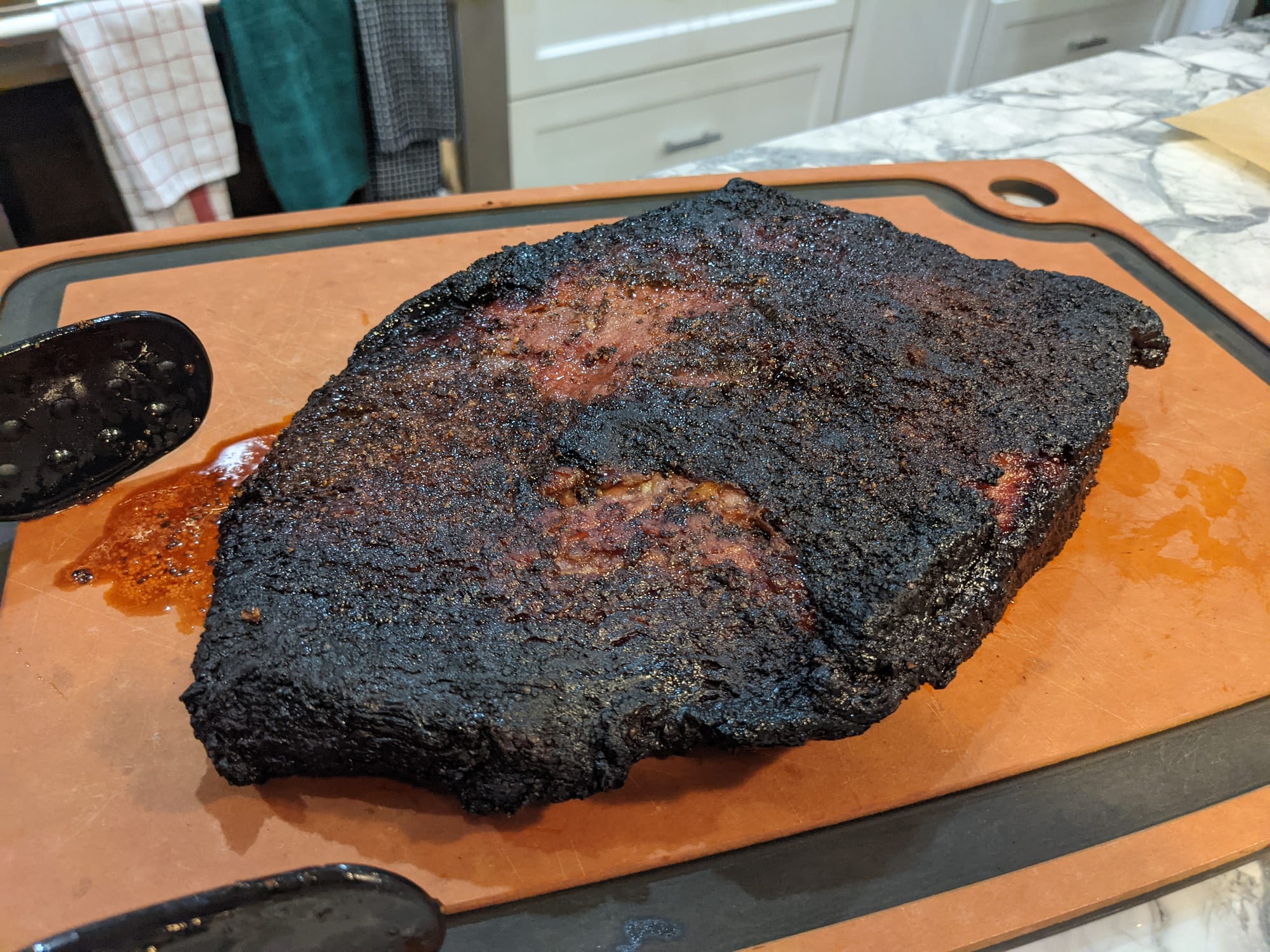
Leadership has its own version of the stall. You've been coaching a team member for weeks, seeing initial improvement, when suddenly their progress flatlines. The natural reaction is to push harder or change tactics dramatically. But just as with brisket, this is precisely when patience matters most.
Common Mistakes: Taking It Off Too Early
The most common mistake in brisket preparation is pulling it from the smoker too soon. At 190°F, the brisket hasn't fully rendered its collagen, resulting in meat that's tough and chewy rather than melt-in-your-mouth tender. The difference between mediocre and magnificent often comes down to those final few hours; a successful brisket is cooked until it's probe-tender, not to a specific temperature.
I've witnessed this same pattern when coaching team members through challenges. Leaders often give up on struggling employees too quickly, moving them out of roles or teams before they've had sufficient time to develop. Just like that brisket pulled too early, these team members never reach their full potential because someone lacked the patience to see the process through.
The Wrap: Supporting Through Challenges
In Texas barbecue, there's a technique called "the wrap"—wrapping the brisket in butcher paper or foil (I've been using the "foil boat" method on my pellet cooker for a while now) once it hits the stall. This doesn't rush the process, but it creates an environment where the meat can continue its transformation more efficiently.
Great leaders understand this principle intuitively. When team members struggle, they don't abandon them or take over their responsibilities. Instead, they provide the right support structure—additional resources, clearer guidance, or more frequent check-ins—that allows natural development to continue.
The Rest Period: Essential for Both Meat and Minds
Even after reaching the target temperature, a brisket isn't ready to serve. It needs to rest—typically for at least an hour, sometimes up to four (I've even rested overnight to great effect). During this time, the juices redistribute throughout the meat, resulting in a more tender, flavorful final product.
Leadership development follows a similar pattern. After periods of intense learning or challenge, people need time to integrate their experiences. The lessons from a difficult project or stretched assignment often don't fully manifest until the person has had time to reflect and internalize what they've learned.
Mastering the Fundamentals First
Central Texas brisket is famously minimalist—often using just salt and pepper for seasoning (okay, I do use some seasoned salt, but it's not much). This approach puts the focus squarely on technique and quality rather than fancy ingredients or shortcuts.
Similarly, effective leadership development begins with mastering fundamentals. Before advanced leadership concepts can take root, basics like clear communication, emotional intelligence, and consistent feedback must become second nature. Just as you can't hide poor technique behind exotic spices, you can't substitute leadership gimmicks for solid foundational skills.
Anecdotes from the Pit and the Office
The Brisket That Almost Wasn't
Last summer, I invited friends over for what I promised would be "an afternoon of BBQ and friends." Fourteen hours into the cook, my brisket was still stalled at 185°F. Guests were arriving in an hour, and I was tempted to call it close enough.
Instead, I held firm, kept the temperature steady, and trusted the process. When we finally sliced into that brisket nearly two hours later than planned, the transformation was remarkable—perfectly rendered fat, tender meat, and a flavor that justified the wait. When asked what happened, I simply said "It's done when it's done, what can you do?"
This experience reminded me of an SE I coached who was struggling with needing to assert himself. Six months into our work together, progress seemed minimal, and both of us were frustrated. My boss was questioning whether he was right for the role. But we stayed the course, maintained consistent coaching sessions, and focused on fundamentals.
Eight months in, something clicked. The concepts he'd been wrestling with suddenly integrated, and hit contributions became not just adequate but exceptional. Had we given up during the "stall," we would have missed the transformation that was happening beneath the surface.
When Rushing Ruins Results
A friend once told me about a restaurant that consistently served subpar brisket despite having top-quality meat and equipment. The owner's problem? Impatience. He insisted on turning up the heat rather than taking his time, all to save an hour or two of cooking time. The result was a reputation for tough, disappointing barbecue that eventually put him out of business.
I've seen this same pattern play out with leaders who rush employee development. One technology director I worked with had a habit of giving team members complex projects and then pulling the assignments away at the first sign of struggle. His impatience created a team culture of risk aversion and stunted growth. Like that restaurant owner, his short-term thinking undermined long-term success.
Leadership Lessons from the Smoker
1. Trust the Process
Great pitmasters understand that barbecue has its own timeline. You can't rush it; you can only create the right conditions and trust the process. Similarly, effective leaders recognize that development follows natural patterns that can't be artificially accelerated.
2. Monitor Without Interfering
The best barbecue comes from consistent temperature and minimal lid-lifting. Every time you open the smoker to check, you lose heat and extend the cooking time. Great leaders know how to monitor progress without constant interference that disrupts natural development.
3. Recognize That Different Cuts Need Different Approaches
A brisket flat cooks differently than the point. Effective leaders understand that different team members require different coaching approaches based on their unique strengths, challenges, and learning styles.
4. Value the Long-Term View
The pitmaster who rushes the process never achieves greatness. Similarly, leaders who prioritize short-term results over long-term development rarely build truly exceptional teams.
The Rewards of Patience
Both great barbecue and great leadership share a common truth: the most valuable transformations can't be rushed. They happen in their own time, through consistent application of heat and pressure, followed by periods of rest and integration.

The next time you're tempted to give up on a struggling team member or rush a development process, remember that brisket sitting at 190°F. The difference between good and transcendent often comes down to patience—the willingness to maintain steady conditions just a little longer, trusting that the transformation is happening even when progress isn't immediately visible.
In leadership as in barbecue, the sweetest rewards come to those with the patience to see the process through to completion.


